


We look to the future with optimism!
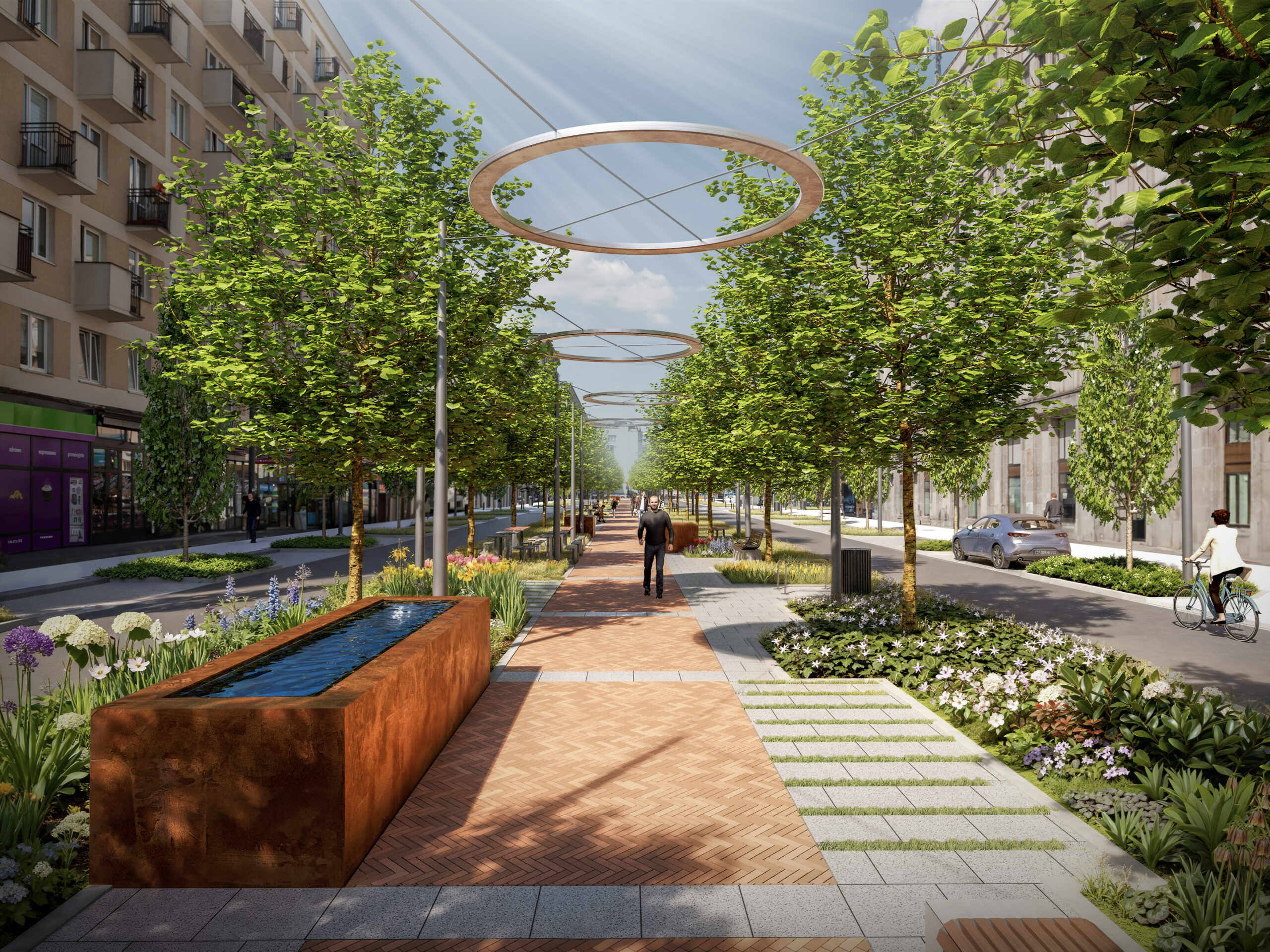
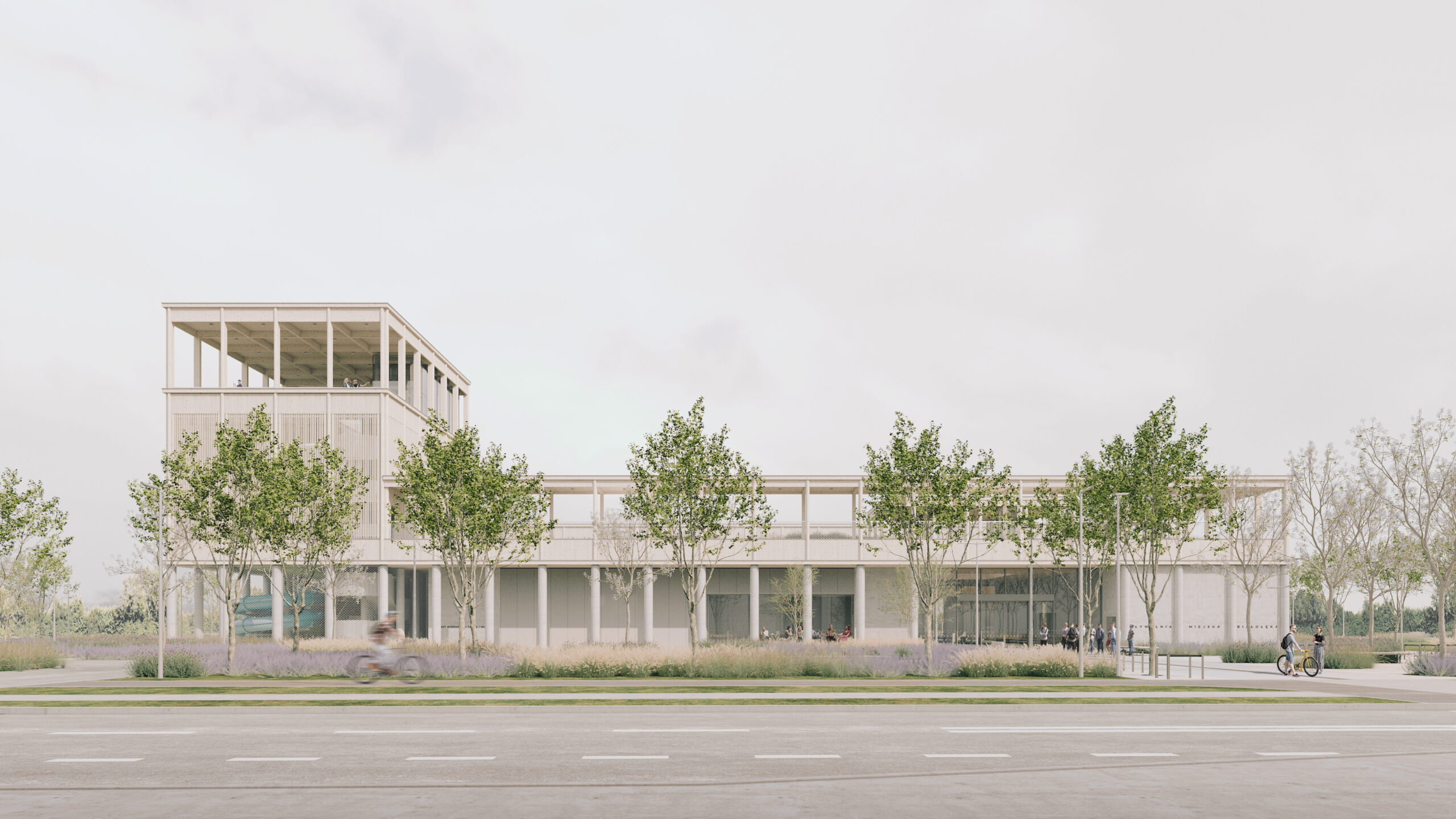
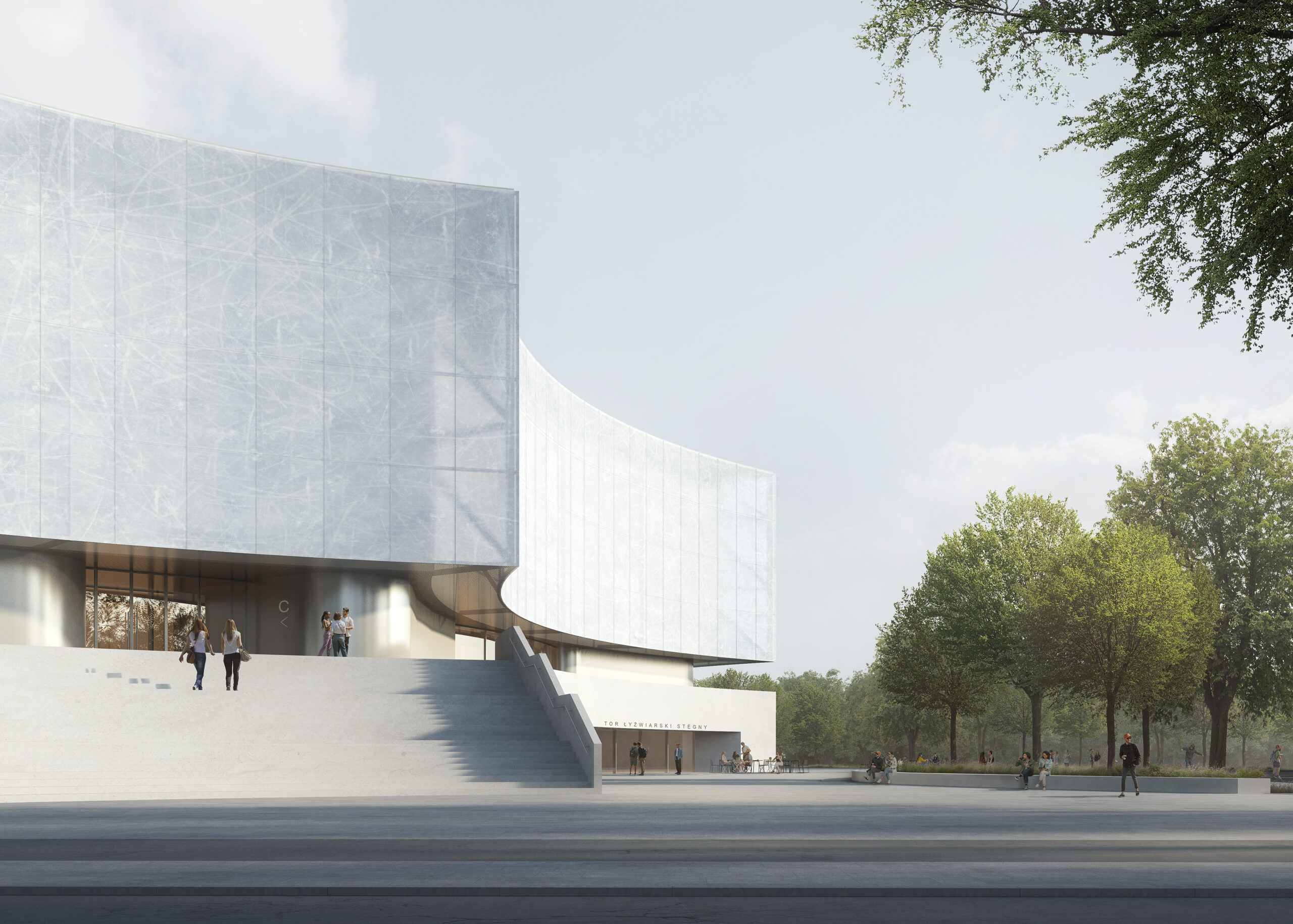
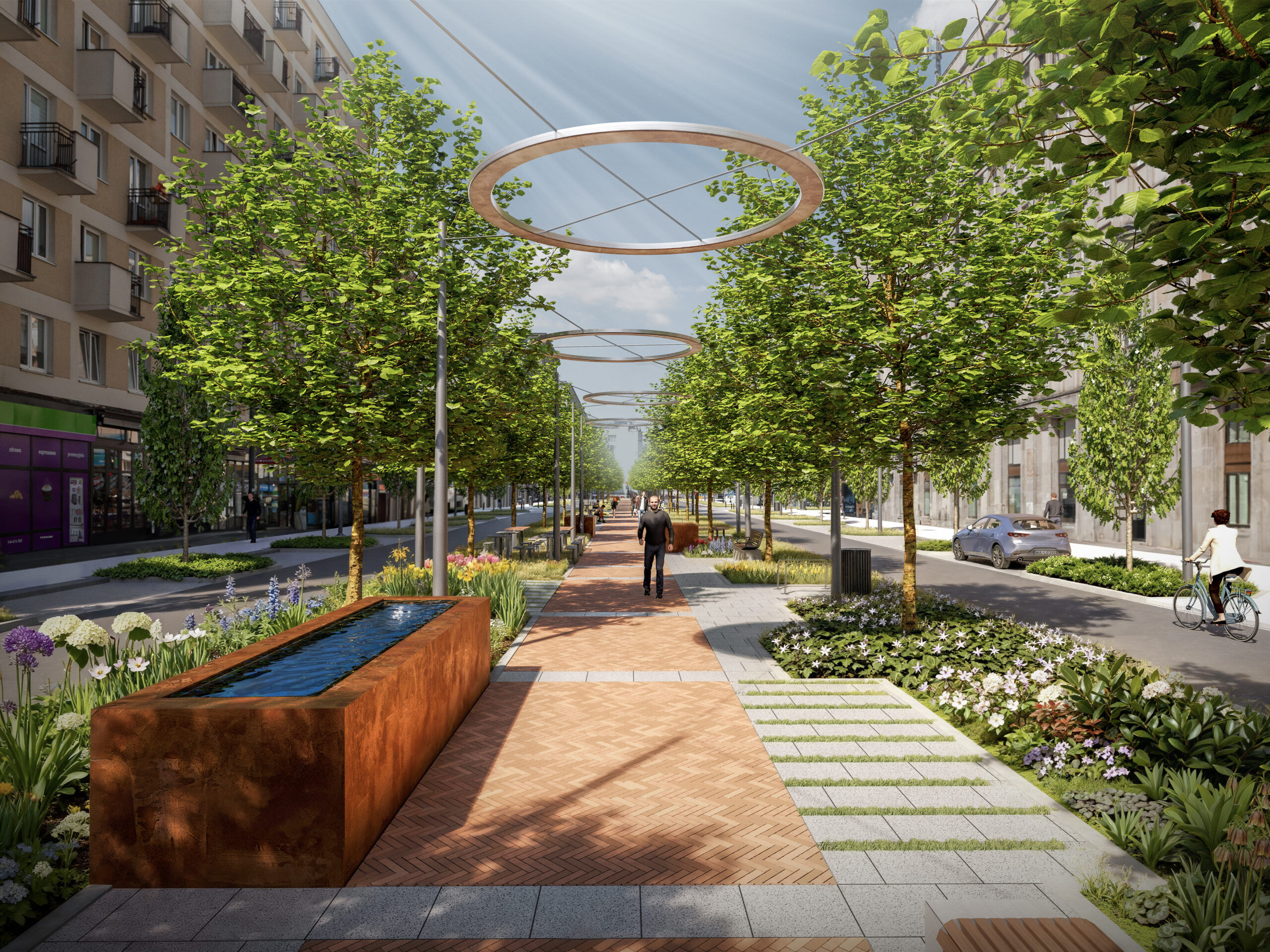
For the 28th time, we’ve collected the latest designs for Warsaw, submitted by architects. This year, we’re presenting 57 projects initiated by public and private investors. Residential architecture dominates with 21 designs. Public architecture follows closely behind with 18 investments, while commercial projects include 7 structures. We’re also pleased to see 8 public space designs and 3 ideas for repurposing existing buildings.
Since 1996, “Plans for the Future” has been a snapshot of what architecture is at a given moment. They show how the needs and challenges we face are changing, and how architects are responding to them.
What image emerges from the presented projects?
Designers and investors are increasingly focusing on adapting to climate change. Ecological solutions have largely become part of design standards, though they vary in scale and scope. The best of these have been recognized with a positive expert recommendation from the Sustainable Architecture Circle of the Warsaw Regional Office of the Polish Architects (OW SARP). Most of these are urban investments, implemented according to the guidelines of the Warsaw Green Building Standard adopted in 2024.
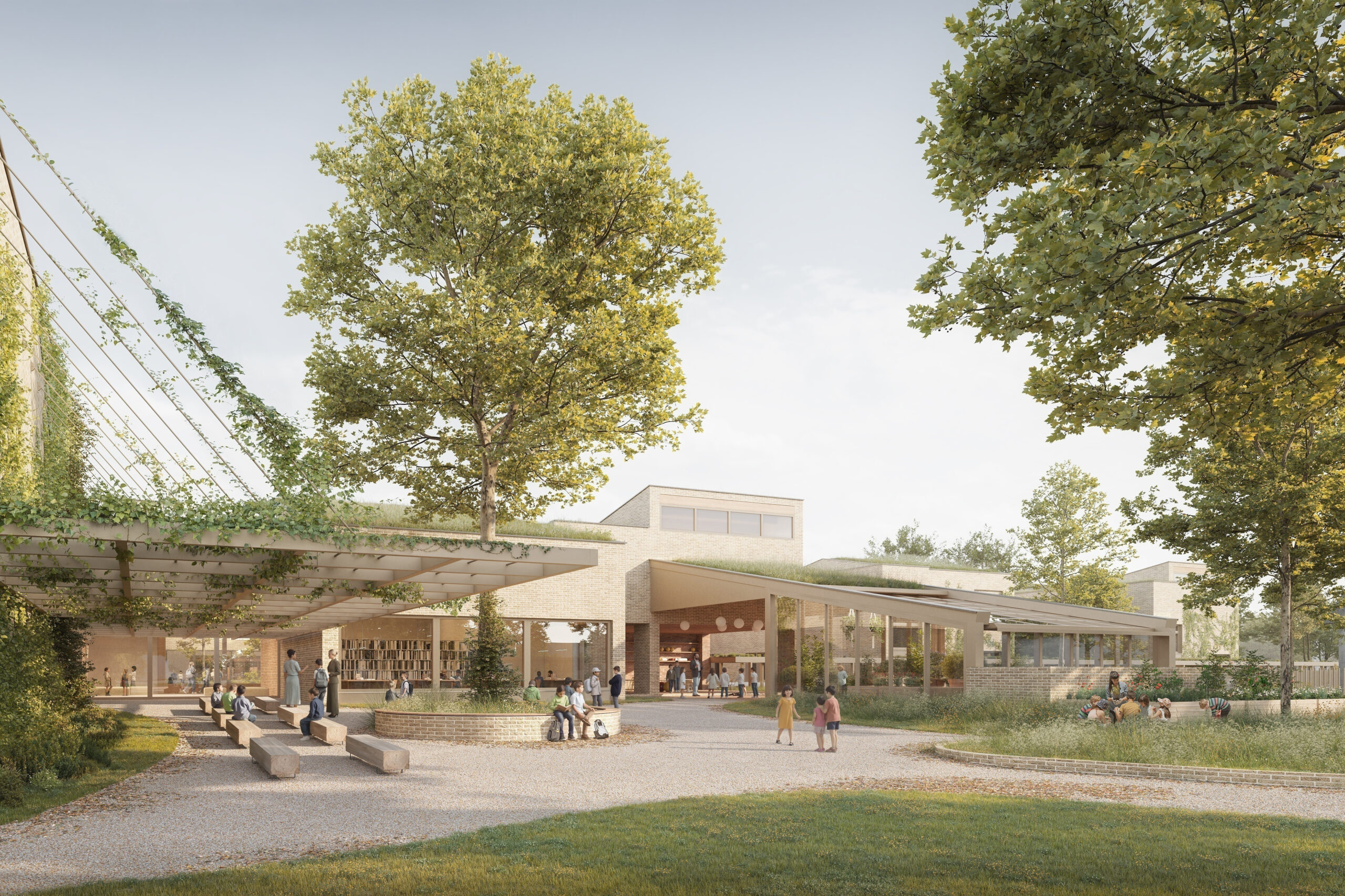
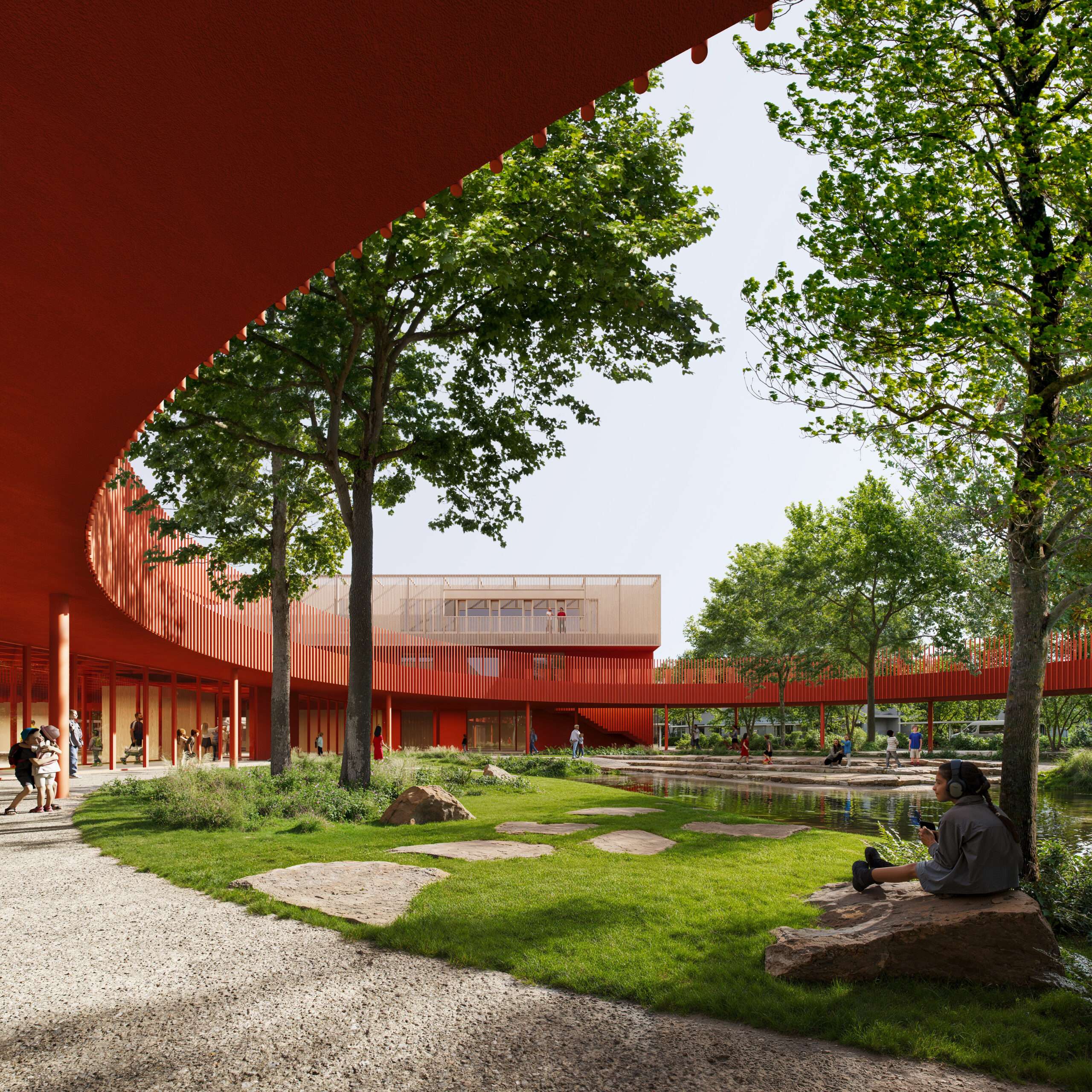
Modernization projects implemented with a pro-ecological and pro-social spirit are particularly noteworthy – including schools in Praga-Południe and Ochota. The new schools in Wilanów and Białołęka, in turn, stand out for their modern approach to educational architecture, the school’s role in the local community, the importance of relationships in the learning process, and integration with the surrounding community. We are proud to say that this is also a result of the city’s “Well-Designed School” school standards, effective from 2021.
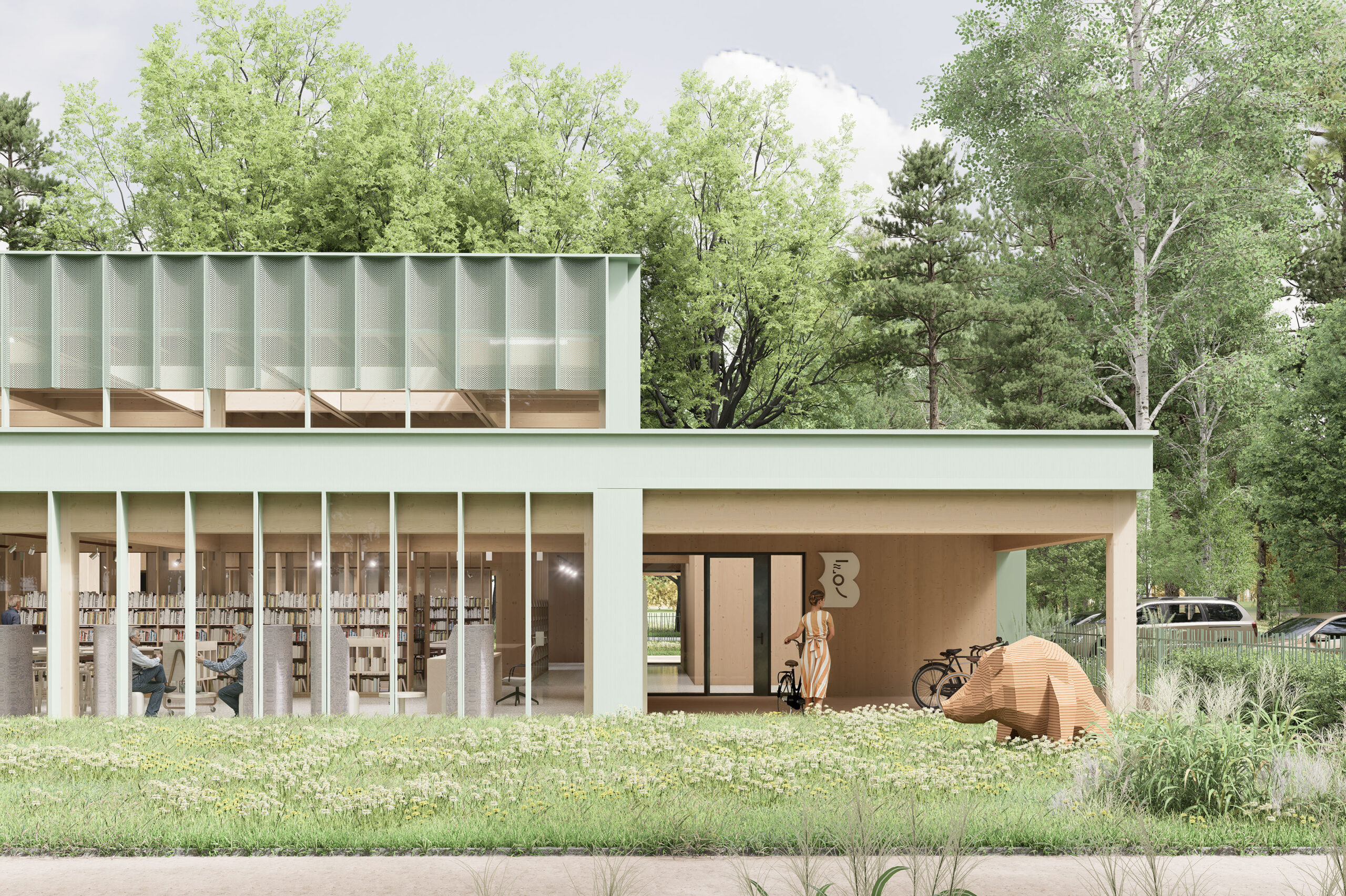
We’re also pleased with projects that build the city’s social lifeblood and engage residents, including the continued development of the New Center of Warsaw, as well as libraries, an environmental education center, a skatepark, and a swimming pool being built in various parts of the city. We also recognize the need to create new spaces for young people to meet more willingly in public spaces than virtually – this is what the modular “Plener” project aims to achieve.
“Plans for the Future” is not just an exhibition. It is also a program of meetings and discussions about the challenges and dreams for the future of the world’s best city – a city where, fortunately, there is still much to design and invent.
Accompanying program:
- 14.05 – 19:00 – Opening of the exhibition
- 16.05 – 16:00 – Green tour
- 17.05 – 16:00 and 17:00 – A walk around the Towarowa22 construction site
- 27.05 – 18:00 – School for today and the future | discussion
- 30.05 – 12:30 – Family workshop
- 10.06 – 18:00 – Communities, residents, communities, and collectivities. Can architecture help create them? | discussion
- 25.06.05 – godz. 18:00 – Warsaw of the Future: How to Design the Unknown | Discussion
- 27.06 – godz. 12:00 – Family workshop
- 18.07 – godz. 12:00 – Intergenerational workshops
Creators of the exhibition:
Concept and implementation:
- ZODIAK Warsaw Pavilion of Architecture | Office of Architecture and Spatial Planning of the Capital City of Warsaw
- Monika Komorowska
- Artur Wosz
Expert cooperation in the field of pro-ecological solutions:
- dr inż. arch. Anna Tofiluk
Debate program:
- Anna Cymer
Educational program:
- Wiola Januszko, Natalia Cichoń
Visual identification:
- Helena Wawrzeniuk
Board composition:
- Artur Wosz, Natalia Cichoń
Preparation of texts:
- Janusz Kurella, Edyta Kaszuba
Exhibition architecture:
- FERWOR – Aleksandra Gryc, Bartłomiej Urbanowski
Production of the exhibition:
- FERWOR – Dawid Aniśko, Antoni Bartochowski, Szymon Biadun, Aleksandra Gryc, Filip Król, Mateusz Lipiec, Wojciech Musiałek, Paweł Paciorek, Piotr Paciorek, Rafał Paciorek, Marcin Papiernik i Bartłomiej Urbanowski
Organiser:
Partners:
- The Warsaw Branch of the Association of Polish Architects
- Masovian District Chamber of Architects of the Republic of Poland
Media patron:
The “Plans for the Future” exhibition is a multi-year project implemented by the Łowicka Center from 1996 to 2020. Thank you for allowing us to continue your mission of sharing ideas for Warsaw with residents.
Information about exhibition availability:
The exhibition runs from May 14th to August 2nd. The pavilion is open Tuesday through Friday from 3:00 PM to 7:00 PM, and Saturday through Sunday from 12:00 PM to 7:00 PM. All residents are welcome. Admission is free.
- Films and multimedia: All multimedia has subtitles in Polish.
- Text: The descriptions are large and clear, with text on a contrasting background. They are written in simple language.
Architectural accessibility:
The exhibition is available on the ground floor and on level -1 of the pavilion. You can enter the ground floor from the sidewalk. The entrance doors open automatically outwards. If you use a wheelchair or carry a stroller, the building is fully accessible. An elevator takes you to all levels of the building. Restrooms are located on the ground floor and level -1. There is also a ground floor bathroom with a baby changing table, adapted for people with mobility difficulties.
How to get to the exhibition?
- Location: Our pavilion is located in the heart of the city at Pasaż Stefana Wiechecki “Wiecha” 4 in Warsaw. The entrance is directly from the square in front of the building.
- Public transportation: Bus, tram, and metro stops are just 250 meters from the building. All of these stops are marked “Centrum.”
- Bicycle: You can conveniently reach the pavilion via bike paths leading to Widok Street. Right at the entrance to the building, we’ve prepared 24 bicycle parking spaces.
- Car: We don’t have our own parking lot, and direct access to the entrance is not possible, so look for the nearest available spaces on Widok Street. Additionally, on Chmielna Street, near the pavilion, you’ll find two disabled parking spaces.
Evacuation:
The building is equipped with clear directional signs and audible signals to assist you in the event of an evacuation. On the ground floor, you’ll find four emergency exits, allowing you to quickly leave the building. Once outside, head towards the Stefan Wiechecki Passage “Wiecha,” as this is the designated gathering point for evacuees.
Contact:
If you have any questions regarding event availability, please contact us by email or phone.
- [zodiak@um.warszawa.pl]
- [510 205 984]